











A flag in the cemetery doesn't say his name. A government-issued grave marker doesn't say where he was from, or what his wife called him on Sunday mornings, or which song was playing the day he came home in 1968. Memorial Day is supposed to be specific — this veteran, this name, this story. Most of the day's rituals are generic.
A personalized Memorial Day song is the one tribute that names him. Below is a real one — a granddaughter's tribute to her Vietnam-veteran grandfather, in Tex-Mex border country. Full lyrics, free MP3, and a breakdown of why the silence does the work.
Why a Memorial Day song lands harder than a flag in the cemetery
Memorial Day is the most ritualized holiday on the American calendar — and one of the least personal. Most families go through the same five motions: the cemetery visit with the flag, the moment of silence at noon, the cookout in the afternoon, the photo of the grave on Instagram. None of the rituals say his name. None of them mention where he served, what he looked like in his uniform, what his daughter remembers about him, what his wife was handed in a triangular fold.
The structural problem with Memorial Day is that the language of the holiday is categorical — all those who served, all the fallen, our heroes. It honors a category. A specific veteran needs a specific song.
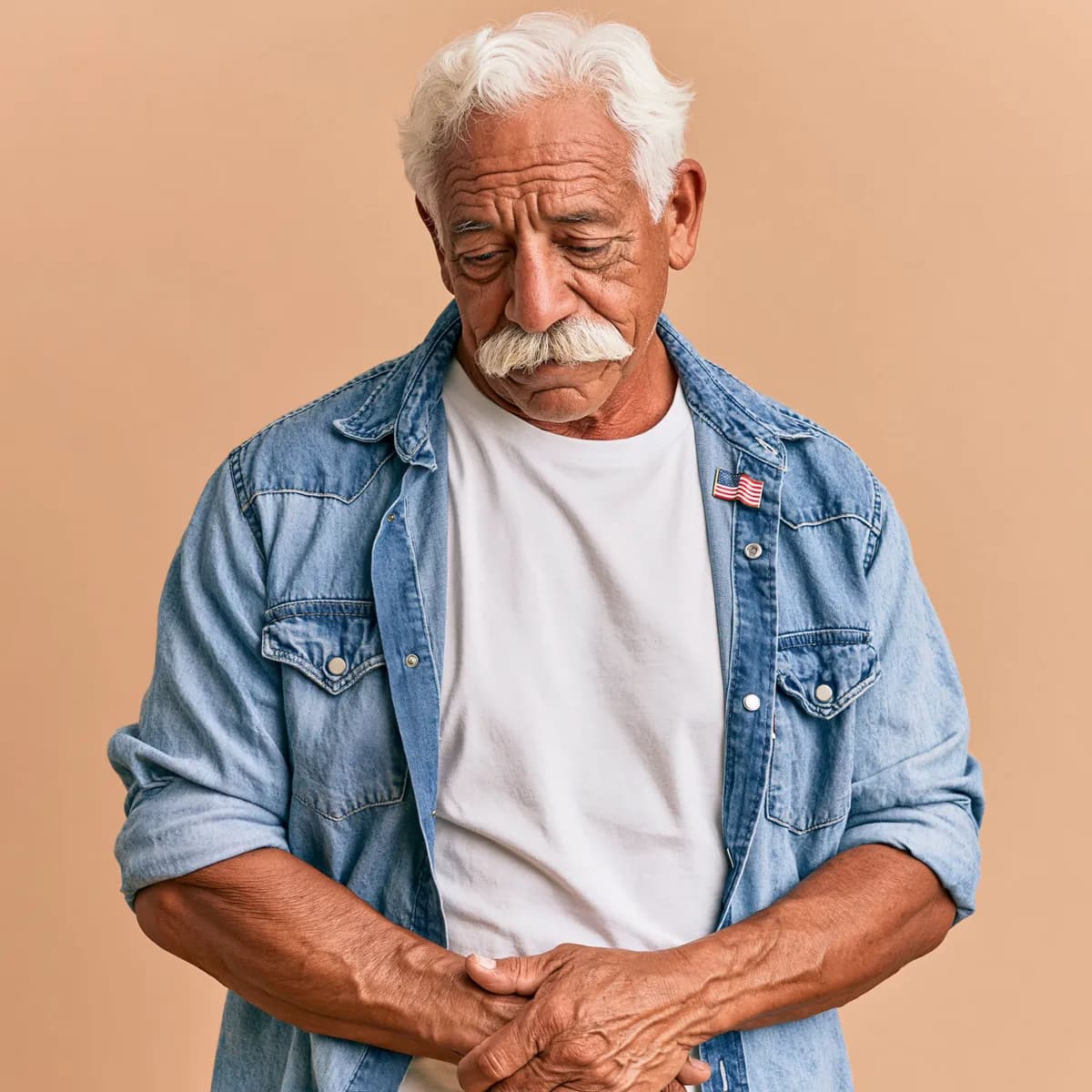
What a Memorial Day song does that no ritual can: it names him. Abuelo Garcia, two tours, El Paso 1968, white t-shirt every day, dress uniform in the closet for fifty years, the flag in twenty-nineteen. Five specifics. Three minutes of music. The whole family hears one veteran instead of a category.
The other thing a song does that a cemetery visit can't: it travels. The MP3 plays on the granddaughter's phone in Texas. Her cousin in California plays it through the kitchen speaker. The Veterans of Foreign Wars post in El Paso plays it at the Memorial Day dinner. The song moves with the family across time zones, across generations, across the fifty years of silence.
The song: "Abuelo, Quiet" — for Sgt Garcia, from his granddaughter
Tex-Mex border country. Spanish nylon-string guitar fingerpicked throughout. Accordion answering vocal phrases. Light brushed snare. Walking upright bass. A warm female mid-range vocal with slight Tex-Mex inflection — bilingual touches woven in without forcing them. Eighty BPM. The kind of song you'd play at a family Memorial Day dinner in El Paso or San Antonio, after the cookout, when the grandkids ask their abuela for the third time to play Abuelo's song.
Example brief
“For my grandfather, Sgt Garcia. From his granddaughter. Two tours in Vietnam, came home to El Paso, never talked about it. His dress uniform stayed in the closet for fifty years. They handed my abuela the flag in 2019. Style: Tex-Mex border country, Spanish nylon-string guitar, accordion, warm female vocal with bilingual touches.”
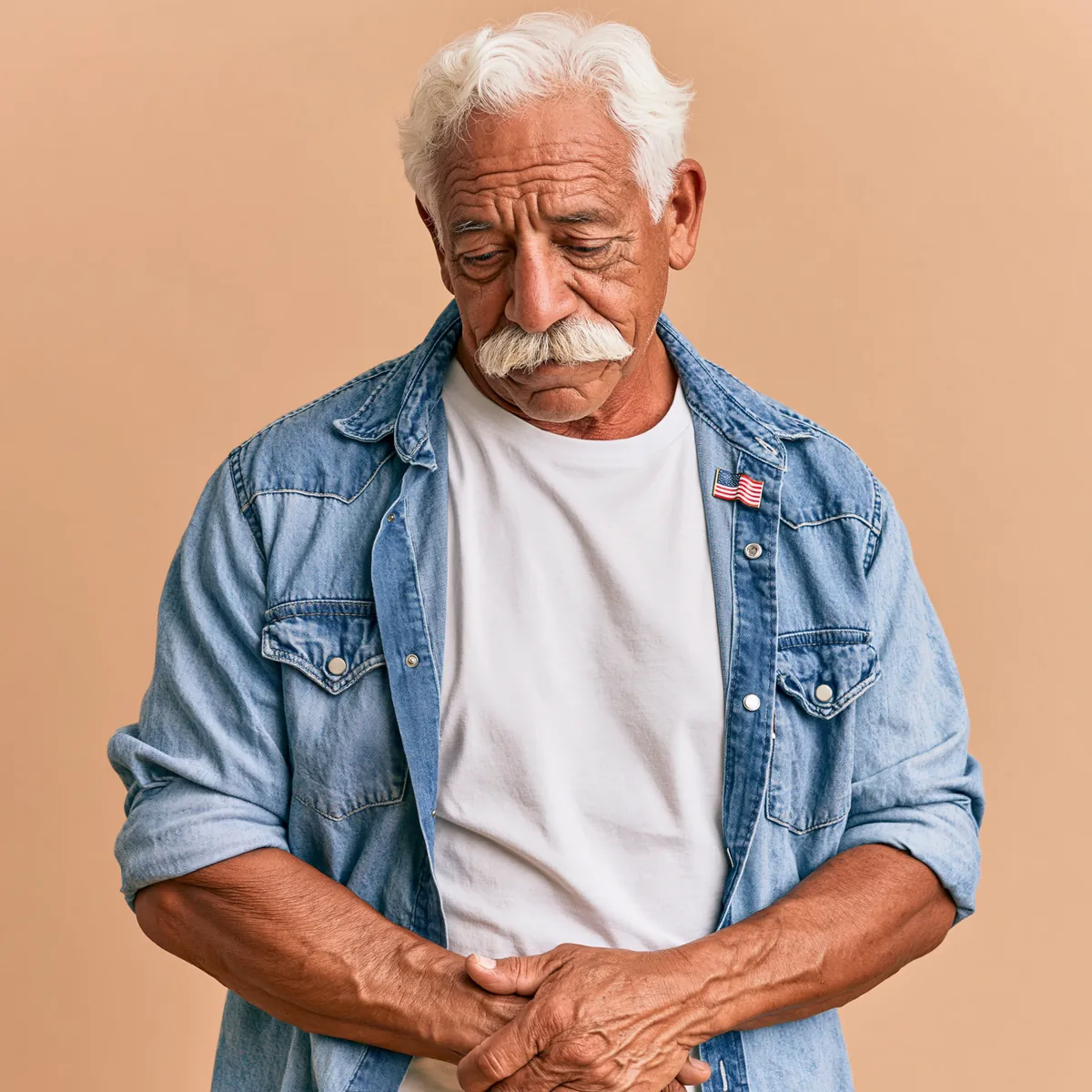
Memorial Day song for a Vietnam veteran — "Abuelo, Quiet" (Sgt Garcia)
Why the Tex-Mex border country register works for a Vietnam veteran
The musical choice in this song isn't decoration — it's structural. Three reasons Tex-Mex border country is the right home for this tribute:
The genre carries the geography. Sgt Garcia came home to El Paso. Tex-Mex border country is the musical home of Mexican-American working-class veterans from the southwest. The Spanish nylon-string guitar and the accordion are how this family already sounds at the dinner table. The song doesn't impose a genre; it picks up what's already in the kitchen.
The bilingual touches do the cultural work without translation. Abuelo, abuela, no preguntes, gracias. Four Spanish words across the whole song. Every American listener recognizes them. The family identity is a texture, not a translation lesson. The song never explains itself — and that's exactly what bilingual American families do in real life.
The hook structure is mirror-pair with the name in the middle. Abuelo, quiet — and I knew it from your hand. The name is the lock. Abuelo lands in the strongest melodic position of the bar. Country has a deep tradition of address-marker hooks (think Mama Tried, Hello Darlin', Daddy's Hands). This song borrows that tradition for a granddaughter's tribute.
The silence is the song. Most American Vietnam-era veterans didn't talk about the war. The song doesn't pretend to tell their war stories — it tells the family's story of growing up around the silence. Abuela said "no preguntes" when I was nine. This is the move that makes Vietnam-era veteran songs work. The wife or daughter or granddaughter is the one who knew without being told.
The final chorus shift. Two choruses sing "Abuelo, today I'm singing the words you hid." The final chorus shifts to "Abuelo, today the silence finally stands." One line change. The whole song's emotional graduation is in those four words.
When the loss isn't military — but the song still fits
Memorial Day is officially for those who died in service. But for many American families, the day has expanded into a broader weekend of remembering anyone they've lost. Personalized tribute songs cover both ends.
For a brother killed in a civilian accident — like Wyatt below, hit on county road 412 at thirty-two — the same structural techniques apply. The verses use specific objects (the black Ford 1985, his daughter Ruby, the road they'd both driven a thousand times). The chorus names him in the strongest position. The bridge stops asking why. The outro carries his daughter's name into the future.
Example brief
“For my brother Wyatt. From his sister. Killed at thirty-two — county road we'd both driven a thousand times. The song about his black Ford eighty-five, his daughter Ruby who's six now, and the way he laughed when he was wrong about something. Style: outlaw-folk ballad, cracked female alto, dobro, slow 6/8.”
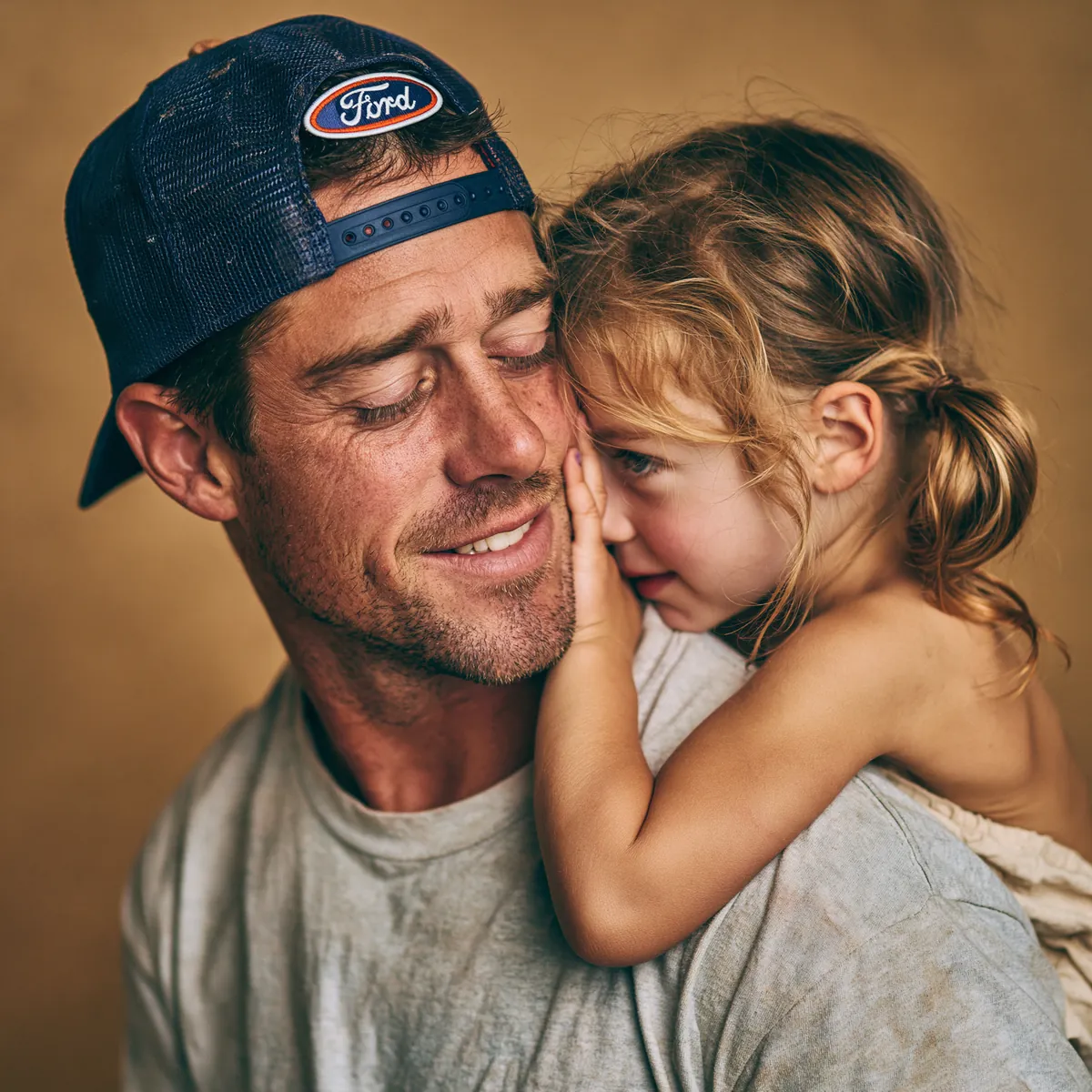
In-memory song for a brother lost too young — "Ruby's Daddy" (Wyatt)
What to put in the brief
A Memorial Day tribute brief is built on five specifics. No abstractions. No generic phrases.
His or her name and rank if it applies
Sgt Garcia. Captain Murphy. Just "my dad," if rank isn't how the family talks about him. Use the name and title the family actually uses, not the formal version on the headstone.
Where and when they served
Vietnam 1968-1970. Korea 1952. Iraq 2004. Afghanistan, two tours. Even just "he was Army" or "he served" if dates aren't known. The era shapes the song — Vietnam-era veterans get different language than post-9/11 veterans.
One object that was theirs
The dress uniform in the closet. The dog tags in the dresser drawer. The flag handed to your mother or grandmother. The pickup truck nobody else can drive. The unit patch. The photograph from boot camp. One specific object — that's the song's anchor.
The silence (if there was one)
Most American veterans of the Vietnam era and earlier didn't talk about the war. That silence is the song. *No preguntes* — "don't ask" — is the family rule the song respects and also names. If your veteran did talk, that's a different song — tell us in the brief.
Who's singing the song
Granddaughter. Son. Daughter. Wife. The whole family. The POV changes the voice and the language. A granddaughter's tribute uses different details than a wife's. Tell us who's holding the song.
If you give us five real details, we can write a song that names him specifically — the veteran your family knew, not a generic American hero. If you give us "he was a great man," we'll write a song that sounds like every Memorial Day Facebook post. We can write specific from specific. We can't write specific from generic.
How to share the song on Memorial Day
A few formats that families have used:
The kitchen play. Memorial Day morning, before the cookout starts. The MP3 plays through the Bluetooth speaker. Grandkids who never met him stop and listen. The whole family in one room hearing his name.
The cemetery visit. Cell phone, single speaker, family gathered at the headstone. The song plays once. Quiet, not theatrical. Then someone says his name out loud. Then someone else does.
The VFW dinner or post gathering. If the family has a Veterans of Foreign Wars connection, post officers will often play tribute songs at the Memorial Day dinner. A personalized song stands out next to the standard playlist — his song among the catalog of generic tributes.
The text thread. Send the MP3 in the family group chat the morning of Memorial Day with a one-line note: "Made this for grandpa. Press play." Every family member listens once at their own kitchen counter. By dinner, everyone's heard it. Nobody has to perform the moment.
The annual replay. A personalized Memorial Day song becomes an annual ritual. Year one it's new. Year two the grandkids request it. Year five it's the family tribute song — played at every Memorial Day, every veteran's birthday, every anniversary of his passing. The song outlives the year you ordered it.
Make his tribute song for Memorial Day weekend
Personalized lyrics · Tex-Mex country, gospel, folk, or your style · Free, delivered in ~30 minutes
Get a free Memorial Day song →10 free slots daily · Order two weeks early for revision time
Questions about Memorial Day tribute songs
More birthday song ideas